

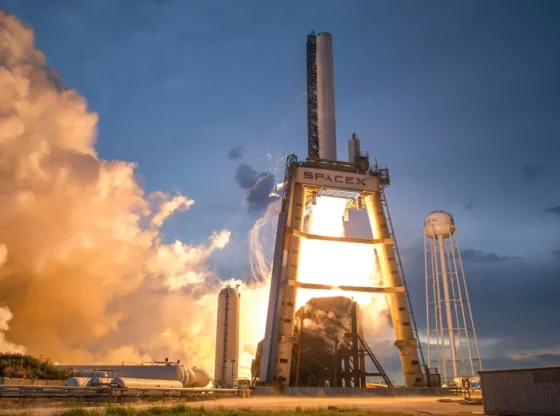

Introduction: The Dynamic World of SpaceX Launches
When space enthusiasts search for ‘next SpaceX launch’ or ask ‘did SpaceX launch today,’ they’re tapping into one of the most active launch schedules in aerospace history. SpaceX has transformed space access from occasional government events to nearly routine operations, with the SpaceX launch schedule now featuring multiple missions weekly. Whether you’re searching for ‘Falcon 9 launch today’ or waiting for the latest ‘Starship launch today,’ tracking SpaceX launches 2024 reveals a company operating at unprecedented pace.
The SpaceX launch schedule encompasses diverse mission types: SpaceX Starlink launch batches building a global satellite internet constellation, SpaceX Crew Dragon launch missions carrying astronauts to the International Space Station, commercial satellite deployments, and ambitious Starship test flights from the SpaceX Boca Chica launch site. Understanding where to watch SpaceX launch events, how to interpret SpaceX launch updates from SpaceX mission control, and why the schedule constantly shifts requires appreciating the complexity of modern spaceflight.
This comprehensive guide examines the SpaceX launch schedule, explains what determines launch timing, provides resources for tracking live launches via SpaceX live stream broadcasts, and explores SpaceX launch history from early Falcon 9 flights through today’s record-breaking cadence. Whether you’re monitoring launches from Cape Canaveral, Kennedy Space Center, or the SpaceX launch site at Starbase in Boca Chica, Texas, this article serves as your complete resource for understanding SpaceX’s dynamic manifest.
Understanding the SpaceX Launch Manifest
The SpaceX launch schedule is a living document that changes frequently based on multiple factors. When checking for the next SpaceX launch, understanding these variables helps explain why dates shift and missions sometimes swap positions in the queue.
Factors Influencing Launch Schedules
Weather at the SpaceX launch site dominates scheduling decisions. A Falcon 9 launch today requires acceptable conditions at liftoff, along the ascent corridor, and at booster recovery zones where droneship landing attempts occur. SpaceX mission control continuously monitors weather, and even minor violations of launch commit criteria force delays. Upper-level winds, precipitation, lightning rules, and recovery area sea states all impact go/no-go decisions.
Technical readiness determines whether hardware meets flight requirements. SpaceX launch updates frequently cite ‘vehicle checks’ or ‘payload integration’ as delay reasons. Complex systems—rocket engines, avionics, payload interfaces, ground support equipment—must all function perfectly. A SpaceX Crew Dragon launch undergoes more rigorous review than cargo missions due to human safety requirements.
Range availability at Cape Canaveral Space Force Station and Kennedy Space Center limits launch opportunities. The Eastern Range coordinates multiple operators, and SpaceX must secure launch windows that don’t conflict with other missions. A SpaceX Boca Chica launch from Starbase faces similar constraints from FAA airspace restrictions and Federal Aviation Administration licensing requirements.
Regulatory approval, especially for Starship launch today attempts, requires environmental reviews, flight safety analysis, and FAA approval. SpaceX cannot simply decide to launch—each mission needs authorization, and regulatory processes sometimes delay the SpaceX launch schedule when approvals lag behind hardware readiness.
Types of SpaceX Missions
SpaceX Starlink launch missions dominate the manifest, deploying batches of 20-60 satellites to build the global internet constellation. These frequent launches (often multiple per week) have made ‘Falcon 9 launch today’ an increasingly common reality. Each SpaceX Starlink launch targets specific orbital shells at various altitudes and inclinations, building a carefully choreographed constellation.
SpaceX Crew Dragon launch missions carry astronauts to the International Space Station, including NASA Commercial Crew rotations, private astronaut missions like Inspiration4 and Ax-1, and space tourism flights. These high-visibility events generate intense public interest, with millions tuning into SpaceX live stream coverage to watch humans journey to orbit.
Cargo Dragon resupply missions (Commercial Resupply Services – CRS) deliver supplies, experiments, and equipment to ISS. These automated spacecraft demonstrate SpaceX’s reliability for critical logistics supporting the orbital laboratory. Did SpaceX launch today often refers to these cargo missions, which occur roughly every two months.
Dedicated customer satellite launches deploy commercial, government, and military payloads. These missions dominate SpaceX launches 2024 revenue despite representing fewer flights than Starlink. Customers include communications companies, Earth observation providers, and national security agencies requiring specific orbits and launch windows.
Rideshare missions, branded Transporter, allow small satellite operators to share launch costs. These flights carry dozens of payloads simultaneously, dramatically reducing access costs for universities, startups, and developing nations. The SpaceX launch schedule typically includes quarterly Transporter missions.
Starship test flights from the SpaceX Boca Chica launch site (officially Starbase, Texas) push the boundaries of reusable rocket technology. Each Starship launch today represents progress toward SpaceX’s ultimate goal: a fully reusable, rapidly deployable super-heavy launch vehicle capable of interplanetary travel. These high-risk test campaigns generate global attention and scrutiny.
Key Launch Sites
Cape Canaveral Space Force Station hosts most SpaceX launches, with multiple pads (SLC-40 primarily) supporting Falcon 9 missions. This SpaceX launch site offers access to various orbital inclinations and benefits from decades of infrastructure development. When checking where to watch SpaceX launch attempts, Cape Canaveral provides numerous public viewing locations.
Kennedy Space Center’s LC-39A, the historic Apollo and Space Shuttle pad, handles SpaceX Crew Dragon launch missions and Falcon Heavy flights. This iconic SpaceX launch site underwent extensive modifications to support SpaceX operations while preserving its historical significance.
Starbase in Boca Chica, Texas, serves as SpaceX’s dedicated Starship development and launch facility. This SpaceX Boca Chica launch site features unique infrastructure including the Orbital Launch Mount, integration tower, and propellant production facilities. Starship launch today attempts occur exclusively from this location, making it ground zero for SpaceX’s Mars ambitions.
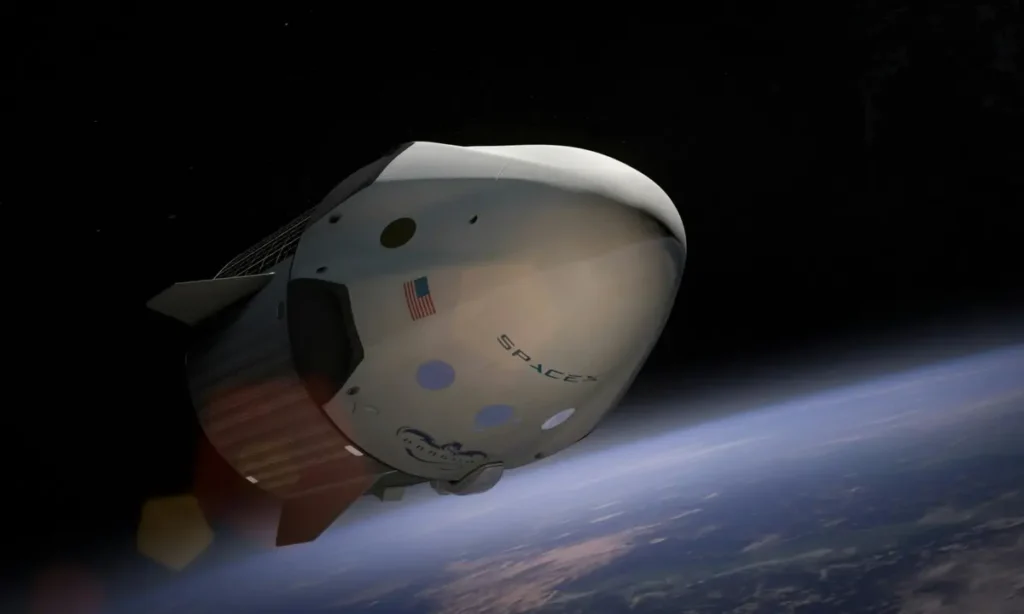
Tracking the Next SpaceX Launch: Real-Time Resources
Finding accurate answers to ‘when is the next SpaceX launch’ or ‘did SpaceX launch today’ requires consulting reliable sources that provide SpaceX launch updates in real-time.
Official SpaceX Channels
SpaceX’s official website maintains the most authoritative SpaceX launch schedule, though it sometimes lacks specific dates for distant missions. The site offers mission descriptions, payload details, and links to SpaceX live stream broadcasts.
SpaceX’s X (formerly Twitter) account provides the most immediate SpaceX launch updates, often announcing launch times, delays, and successes within minutes. Following @SpaceX ensures you never miss ‘Falcon 9 launch today’ or ‘Starship launch today’ announcements. The account frequently shares stunning photography and technical details that enrich understanding of each mission.
SpaceX YouTube channel hosts SpaceX live stream coverage of launches, typically beginning 15-30 minutes before liftoff. These high-quality broadcasts feature multiple camera angles, telemetry data, and commentary from SpaceX mission control. Millions tune in to watch live launches, making SpaceX one of the most-viewed channels during missions. Archived streams provide excellent resources for reviewing SpaceX launch history.
Reliable Third-Party Tracking Resources
Several excellent third-party sites aggregate SpaceX launch schedule information from multiple sources. NextSpaceFlight.com maintains comprehensive launch databases with countdown timers, mission details, and historical archives. SpaceflightNow.com offers detailed mission previews and real-time coverage. NASASpaceflight.com (unaffiliated with NASA despite the name) provides in-depth technical analysis and often breaks news about schedule changes.
Apps like ‘Launch Alarm’ and ‘SpaceX Now’ send notifications about upcoming launches, perfect for never missing a SpaceX Starlink launch or Crew Dragon mission. These tools answer ‘when is the next SpaceX launch’ with push notifications hours before liftoff, letting users plan viewing accordingly.
Reddit’s r/SpaceX community offers real-time discussion, launch threads, and technical analysis from knowledgeable enthusiasts. Users share SpaceX launch updates, photos from viewing locations, and explanations of technical issues. The community maintains detailed FAQ threads answering common questions about where to watch SpaceX launch events and how to interpret mission parameters.
Understanding Launch Windows and Delays
Launch windows—the specific times when launches can occur—vary by mission type. SpaceX Crew Dragon launch missions to ISS have instantaneous windows (must launch at exact moment) because the station’s orbit dictates rendezvous geometry. Satellite deployments often have multi-hour windows, providing flexibility if minor issues arise.
Holdoffs occur when SpaceX mission control pauses the countdown to address technical concerns or wait for weather improvements. These brief delays don’t necessarily mean the launch won’t happen that day. Scrubs are complete cancellations, requiring rescheduling. Understanding these distinctions helps interpret SpaceX launch updates and manage expectations when asking ‘did SpaceX launch today.’
When checking if there’s a Falcon 9 launch today or Starship launch today, remember that schedules often show ‘No Earlier Than’ (NET) dates rather than firm launch times. These target dates shift as technical work progresses, so don’t be surprised if the next SpaceX launch you’ve been anticipating moves by days or weeks.
SpaceX Launches 2024: Current Mission Tempo
SpaceX launches 2024 continues the company’s record-breaking cadence, targeting over 140 missions—more than triple the annual rate from just a few years ago. This acceleration stems from Starlink constellation deployment driving frequent SpaceX Starlink launch missions, improved reusability reducing turnaround time, and growing commercial demand for launch services.
Starlink Deployment Dominates the Manifest
SpaceX Starlink launch missions constitute over 60% of SpaceX launches 2024, with multiple deployments weekly. Each mission carries approximately 23 upgraded V2 Mini satellites (down from early missions’ 60 smaller satellites) to various orbital shells. The constellation’s build-out targets 12,000 satellites initially, with FCC approval for up to 42,000 eventually.
These frequent launches explain why ‘Falcon 9 launch today’ yields positive results so often. The relentless Starlink deployment pace transforms launch operations from special events to routine transportation, fundamentally changing how we think about space access. When checking did SpaceX launch today, the answer is increasingly ‘yes, probably a Starlink mission.’
Crewed Missions Continue ISS Support
SpaceX Crew Dragon launch missions maintain American astronaut presence on ISS. NASA Commercial Crew rotation flights (Crew-8, Crew-9, etc.) occur roughly quarterly, each carrying four astronauts for six-month stays. These high-stakes missions receive extensive SpaceX live stream coverage and represent SpaceX’s most visible public service.
Private astronaut missions through Axiom Space and other companies demonstrate commercial spaceflight viability. These SpaceX Crew Dragon launch events generate intense media interest as space tourism transitions from concept to reality. Upcoming missions may include Polaris Dawn, a private mission attempting the first commercial spacewalk.
Starship Development Progresses
Starship launch today attempts from the SpaceX Boca Chica launch site represent perhaps the most ambitious component of the SpaceX launch schedule. Each test flight pushes capabilities further—early missions achieved atmospheric flight and controlled descent, while recent attempts target orbital velocity and potential ocean splashdown.
These Starship flights face intense regulatory scrutiny and environmental review, making the SpaceX launch schedule for Starship less predictable than Falcon 9 operations. However, each successful test brings closer SpaceX’s vision of a fully reusable super-heavy launch vehicle capable of carrying 100+ tons to orbit and enabling Mars colonization.
SpaceX Launch History: Milestones and Achievements
SpaceX launch history spans nearly two decades of revolutionary achievements that redefined space access.
Early Falcon 9 Successes
The first Falcon 9 orbital launch occurred June 4, 2010, from Cape Canaveral, successfully delivering a Dragon qualification unit to orbit. This mission validated SpaceX’s core vehicle design and began the Falcon 9’s evolution into today’s Block 5 configuration—the most-flown rocket in history.
The first Commercial Resupply Services (CRS) mission to ISS launched October 7, 2012, making SpaceX the first private company to berth a spacecraft at the station. This CRS-1 flight demonstrated commercial space transportation viability and began SpaceX’s role as critical ISS logistics provider.
Reusability Revolution
December 21, 2015, marked the first successful Falcon 9 first-stage landing at Landing Zone 1, Cape Canaveral. This achievement, long dismissed as impossible by industry experts, validated SpaceX’s reusability vision. The booster (B1019) now sits at SpaceX headquarters as testament to this breakthrough.
The first reflight of a recovered booster occurred March 30, 2017 (SES-10 mission), proving boosters could be reused. Today, SpaceX routinely flies boosters 15+ times, with some achieving 20 flights. This reusability revolutionized launch economics, dramatically reducing costs and enabling the rapid launch cadence that makes SpaceX launches 2024 so impressive.
Crewed Spaceflight Returns to America
May 30, 2020, Demo-2—the first SpaceX Crew Dragon launch with astronauts—returned human spaceflight capability to American soil after nine years of reliance on Russian Soyuz. Astronauts Bob Behnken and Doug Hurley’s successful mission to ISS validated Commercial Crew Program’s approach and began routine SpaceX crew operations.
This historic SpaceX Crew Dragon launch attracted millions to SpaceX live stream coverage, with even President Trump attending the Kennedy Space Center launch. The mission’s success cemented SpaceX’s position as NASA’s primary crew transport provider and proved commercial spaceflight could meet human-rating standards.
Falcon Heavy Debut
February 6, 2018, Falcon Heavy’s maiden flight sent Elon Musk’s Tesla Roadster toward Mars orbit in history’s most unconventional test payload. The massive rocket’s successful flight—including simultaneous landing of two side boosters at Cape Canaveral—demonstrated SpaceX’s ability to scale Falcon 9 technology while maintaining reusability.
Falcon Heavy remains the world’s most powerful operational rocket (SpaceX’s own Starship will eventually exceed it) and handles missions requiring heavy lift to high-energy orbits. When checking the SpaceX launch schedule for Falcon Heavy missions, expect 2-4 annual flights serving national security, commercial, and NASA science payloads.
SpaceX Launch Vehicles: The Fleet Explained
Understanding SpaceX launch schedule requires knowing the vehicles conducting these missions.
Falcon 9: The Workhorse
Falcon 9 conducts the vast majority of SpaceX launches, handling everything from SpaceX Starlink launch missions to SpaceX Crew Dragon launch flights. The current Block 5 configuration stands 230 feet tall, generates 1.7 million pounds of thrust from nine Merlin engines, and can deliver 50,265 pounds to low Earth orbit (LEO) when fully expendable.
Booster reusability defines modern Falcon 9 operations. First stages land on autonomous spaceport droneships (‘Just Read the Instructions,’ ‘A Shortfall of Gravitas,’ ‘Of Course I Still Love You’) in the Atlantic, or at landing zones near the SpaceX launch site. Fairings (payload shrouds) are also recovered and reused, further reducing costs.
This reusability explains how SpaceX achieves its remarkable launch cadence. When you watch a Falcon 9 launch today via SpaceX live stream, you’re likely viewing a booster on its 10th or 15th flight—an achievement that seemed impossible a decade ago. This reliability and reusability make Falcon 9 the cornerstone of the SpaceX launch schedule.
Falcon Heavy: Heavy Lift Capability
Falcon Heavy essentially combines three Falcon 9 first stages, generating over 5 million pounds of thrust—more than any operational rocket except NASA’s Space Launch System. It can deliver 140,660 pounds to LEO or 58,860 pounds to geostationary transfer orbit (GTO).
The center core is expendable on most missions due to extreme reentry velocities, but side boosters routinely land at Cape Canaveral’s twin landing zones in spectacular synchronized touchdowns. Falcon Heavy’s unique reusability profile—recovering 2 of 3 cores—still offers better economics than fully expendable competitors.
Falcon Heavy missions remain relatively rare on the SpaceX launch schedule (typically 2-4 annually) because most payloads fit within Falcon 9’s capacity. However, national security launches, direct-to-GEO missions, and future NASA science missions like Europa Clipper require Falcon Heavy’s unique capabilities.
Starship: The Future of Space Transportation
Starship represents SpaceX’s ultimate ambition: a fully reusable super-heavy launch vehicle capable of carrying 100-150 tons to LEO. The system comprises two stages—a massive Super Heavy booster with 33 Raptor engines, and the Starship upper stage with six Raptors (three optimized for vacuum, three for sea level).
Standing nearly 400 feet tall when stacked, Starship dwarfs even Saturn V. Its stainless steel construction, unprecedented propellant capacity (over 10 million pounds of liquid methane and oxygen), and complete reusability aim to reduce launch costs to levels enabling Mars colonization.
Each Starship launch today from the SpaceX Boca Chica launch site tests critical technologies: launch tower catch mechanisms (eliminating landing legs), heat shield performance during reentry, precise ocean landing, and rapid reusability. When checking the SpaceX launch schedule for Starship, expect continuing test flights gradually expanding flight envelope until orbital refueling demonstrations and eventual operational missions.
Where to Watch SpaceX Launch Events
Experiencing SpaceX launches enriches understanding of space exploration, whether watching remotely or attending in person.
Remote Viewing via SpaceX Live Stream
SpaceX YouTube channel provides the primary SpaceX live stream coverage, typically starting 15-30 minutes before liftoff. These broadcasts feature hosted commentary, multiple camera angles (pad views, rocket-mounted cameras, tracking cameras), and real-time telemetry showing altitude, velocity, and stage separation timing.
When wondering where to watch SpaceX launch events from home, the YouTube live stream offers the best experience. Features include chat functionality for community interaction, 4K resolution options, instant replay capability, and archived access for reviewing SpaceX launch history. Millions tune in for major missions, making these among YouTube’s most-watched live events.
Other streaming options include SpaceX’s X (Twitter) account, which sometimes hosts simultaneous streams, and NASA TV for missions to ISS. Third-party channels like Everyday Astronaut provide alternative commentary and technical analysis during major flights.
In-Person Viewing Locations
For those near Cape Canaveral or Kennedy Space Center, numerous public viewing locations offer spectacular launch experiences. Jetty Park, Playalinda Beach, Space View Park in Titusville, and various locations along the Indian River provide clear sightlines to the pad. Arrive several hours early for popular missions like a SpaceX Crew Dragon launch, as prime spots fill quickly.
Kennedy Space Center Visitor Complex offers the closest public viewing (approximately 3 miles from LC-39A) through ticketed events. These premium experiences include expert commentary, exclusive viewing areas, and proximity that makes night launches particularly breathtaking.
For Starship launch today attempts at the SpaceX Boca Chica launch site, South Padre Island beaches offer viewing locations approximately 5 miles from the pad. However, access is more restricted than Cape Canaveral, with road closures during operations. The SpaceX launch site at Starbase is actively developing, and public access policies evolve with construction.
The Economics and Impact of SpaceX’s Launch Cadence
SpaceX launches 2024 frequency—targeting 140+ missions—represents more than impressive statistics. This pace fundamentally transforms space access economics and capabilities.
Revolutionary Cost Reduction
Falcon 9 launches cost approximately $67 million for customers (less for internal Starlink missions), compared to $150-400 million for competitors flying similar payloads. This cost advantage stems directly from reusability—recovering and refurbishing boosters costs far less than building new ones.
SpaceX’s pricing forced entire industries to adapt. Traditional launch providers lost market share and had to develop their own reusable vehicles. This competition benefits everyone through lower costs and improved service. When searching the SpaceX launch schedule, you’re seeing market dynamics in action—dominance achieved through innovation and efficiency.
Accelerated Access to Space
The rapid SpaceX launch schedule means shorter wait times for customers. Instead of booking launches years in advance with limited backup options, customers now access space within months. This responsiveness enables new business models—satellite operators can deploy constellation phases faster, scientific missions can launch sooner, and responsive national security missions become feasible.
For researchers searching ‘next SpaceX launch’ to track their experiment to ISS, this frequent manifest means more opportunities for orbital research. The Transporter rideshare program exemplifies this democratization—small satellite operators paying $1-5 million per spacecraft (versus $10-50 million previously) can now afford dedicated orbital slots.
The Future: SpaceX’s Long-Term Vision
Current SpaceX launches 2024 represent stepping stones toward far more ambitious goals that will reshape the SpaceX launch schedule in coming years.
Starship’s Role in Artemis Lunar Exploration
NASA selected Starship as the Human Landing System for Artemis III, scheduled to return astronauts to the lunar surface. This contract requires Starship to demonstrate orbital refueling (launching multiple tanker Starships to transfer propellant in orbit), travel to lunar orbit, land on the Moon, and return crew to lunar Gateway or direct to Earth.
Achieving these capabilities will dramatically expand the SpaceX launch schedule—each crewed lunar mission could require 10-15 launches (one crew Starship, multiple propellant tankers). This tempo would make ‘Starship launch today’ as common as Falcon 9 launches are now. Success would validate Starship’s architecture and accelerate Mars mission planning.
Mars Colonization Vision
SpaceX’s stated purpose remains making humanity multiplanetary. Elon Musk envisions fleets of Starships launching during Mars transfer windows (every 26 months), carrying crew, cargo, and supplies to establish permanent settlements. Initial missions would focus on infrastructure—power generation, life support, propellant production from Martian resources.
This vision, while decades away from reality, drives current development. Each Starship launch today from SpaceX Boca Chica serves Mars mission goals: proving rapid reusability, validating heat shield performance, demonstrating propellant transfer, testing life support systems. The SpaceX launch schedule will eventually include dedicated Mars cargo and crew windows, transforming interplanetary travel from fantasy to routine operations.
Continued Starlink Expansion
SpaceX Starlink launch missions will continue dominating the manifest for years. The constellation requires continuous replenishment as older satellites deorbit, plus expansion into new orbital shells and frequency bands. Second-generation Starlink satellites launching on Starship will be larger and more capable, requiring different deployment strategies but maintaining high launch frequency.
This steady demand explains SpaceX’s focus on rapid Falcon 9 reusability and Starbase development. When wondering about the next SpaceX launch, it’s statistically likely to be a Starlink mission—the revenue from this service funds broader ambitions while providing reliable income stream independent of customer contracts.
Conclusion: Following SpaceX’s Ambitious Journey
Tracking the SpaceX launch schedule offers front-row seats to humanity’s expansion into space. Whether checking for Falcon 9 launch today notifications, watching Starship launch today attempts via SpaceX live stream, or reviewing SpaceX launch history to appreciate progress, engaging with this dynamic manifest connects you to the most active space program in history.
The frequency of SpaceX launches 2024—over 140 missions targeting space station resupply, satellite deployment, crew transport, and test flights—demonstrates commercial spaceflight’s viability while advancing technologies needed for lunar bases and Mars colonies. When asking did SpaceX launch today, the answer increasingly reflects an operational tempo that makes space access routine rather than exceptional.
Resources for following SpaceX launch updates from SpaceX mission control are abundant and accessible. Official channels provide authoritative information, third-party trackers aggregate data, and vibrant communities discuss technical details. Whether you’re watching from Cape Canaveral, monitoring the SpaceX Boca Chica launch site, or streaming from home, you’re witnessing history as SpaceX transforms space exploration from government monopoly to commercial service.
The next SpaceX launch, whether a SpaceX Crew Dragon launch carrying astronauts or another SpaceX Starlink launch building the constellation, represents progress toward Elon Musk’s vision of multiplanetary civilization. By understanding the SpaceX launch schedule—its complexity, dynamism, and ambition—you gain appreciation for humanity’s reach extending beyond Earth, one mission at a time.
Frequently Asked Questions
When is the very next SpaceX launch scheduled?
The next SpaceX launch schedule is available on SpaceX’s official website and third-party tracking sites like NextSpaceflight.com. Launch dates change frequently based on weather, technical readiness, and regulatory approval, so check within 24-48 hours of your desired viewing time for accurate information. SpaceX’s X (Twitter) account provides the most immediate updates. Given current tempo, the next SpaceX launch is typically within days or sometimes hours of the last one.
How often does SpaceX launch rockets?
SpaceX launches 2024 targets over 140 missions, averaging nearly three launches weekly. This incredible cadence stems from Starlink constellation deployment (60% of flights), reliable Falcon 9 Block 5 hardware, booster reusability reducing turnaround time, and multiple launch pads. The company now operates more frequently than all other global launch providers combined. Peak periods see launches just 2-3 days apart. When asking did SpaceX launch today, the answer is yes approximately every 2-3 days on average.
Where do SpaceX launches typically take place?
SpaceX launches occur from three primary locations: Cape Canaveral Space Force Station SLC-40 (most Falcon 9 flights), Kennedy Space Center LC-39A (Crew Dragon and Falcon Heavy missions), and Starbase in Boca Chica, Texas (Starship development). Cape Canaveral handles the majority of operational missions, offering optimal orbital access and established infrastructure. The SpaceX Boca Chica launch site serves exclusively for Starship testing and eventually operational Starship flights. All three constitute active SpaceX launch sites supporting different vehicle types and mission profiles.
Can I watch SpaceX launches live from home?
Yes! SpaceX live stream coverage on YouTube provides excellent remote viewing, typically beginning 15-30 minutes before liftoff. These high-quality broadcasts feature multiple camera angles, real-time telemetry, and hosted commentary explaining mission milestones. Streams typically gather millions of viewers for major missions. Where to watch SpaceX launch events from home also includes NASA TV for ISS missions, SpaceX’s X account for simultaneous streams, and third-party channels offering alternative commentary. All streams are free and archived for later viewing.
What is Starlink and how many Starlink satellites has SpaceX launched?
Starlink is SpaceX’s satellite internet constellation providing global broadband coverage. As of late 2024, over 5,000 operational satellites orbit Earth, with SpaceX targeting 12,000 initially (potentially 42,000 eventually). SpaceX Starlink launch missions deploy 20-60 satellites per flight, occurring multiple times weekly. These launches dominate the SpaceX launch schedule, funding broader company objectives while providing service to underserved areas globally. The constellation requires continuous replenishment as satellites deorbit after 3-5 year operational lives.
What is the difference between Falcon 9, Falcon Heavy, and Starship?
Falcon 9 is SpaceX’s workhorse medium-lift rocket conducting most missions, delivering 50,000 pounds to LEO with reusable first stage. Falcon Heavy combines three Falcon 9 cores for 140,000+ pounds to LEO, handling heavy payloads to high-energy orbits. Starship is the next-generation super-heavy vehicle under development, designed to carry 100-150 tons to LEO with complete reusability. When checking Falcon 9 launch today versus Starship launch today on the SpaceX launch schedule, you’re seeing current operations (Falcon 9) versus future capability testing (Starship). All three support SpaceX’s integrated launch strategy.
Why are SpaceX launches often delayed or scrubbed?
SpaceX launch updates frequently cite delays due to weather (wind, precipitation, lightning rules, recovery area sea state), technical issues requiring additional checks, range availability conflicts, payload readiness, or regulatory holds. When monitoring SpaceX mission control updates, remember that spaceflight requires everything working perfectly—even minor anomalies justify delays. A SpaceX Crew Dragon launch faces more stringent constraints than cargo missions due to human safety factors. Delays are normal and prudent. The company’s high success rate stems partly from willingness to scrub rather than risk flight.
How does SpaceX reuse its rocket boosters?
After delivering payloads to orbit, Falcon 9 first stages perform reentry burns to slow descent, deploy landing legs, and land vertically on autonomous droneships or land-based pads. Recovered boosters undergo inspection, refurbishment (engine replacement, minor repairs), and testing before reflying. SpaceX has demonstrated boosters can fly 20+ times with proper maintenance. This reusability revolutionized launch economics, reducing costs and enabling the rapid launch cadence visible in SpaceX launches 2024. Watching a Falcon 9 launch today via SpaceX live stream includes spectacular landing footage demonstrating this capability.
What kind of payloads does SpaceX launch?
The SpaceX launch schedule includes diverse payloads: Starlink internet satellites (60% of missions), commercial communications satellites, Earth observation spacecraft, government/military payloads, ISS resupply cargo via Dragon, astronaut crews aboard Crew Dragon, rideshare missions carrying dozens of small satellites, and NASA science missions. Future missions will include lunar landers, Mars cargo, and orbital fuel depots. This variety demonstrates SpaceX’s flexibility serving government, commercial, and internal customers across multiple orbital regimes.
Is it possible for the public to attend a SpaceX launch in person?
Yes! Multiple public viewing locations near Cape Canaveral and Kennedy Space Center offer excellent launch experiences. Jetty Park, Playalinda Beach, and Space View Park in Titusville provide free viewing approximately 5-10 miles from pads. Kennedy Space Center Visitor Complex offers closer viewing through paid tickets. Arrive several hours early for popular missions. For Starship launches at the SpaceX Boca Chica launch site, South Padre Island beaches provide viewing about 5 miles away, though access restrictions apply during operations. Where to watch SpaceX launch in person offers unforgettable experiences—the sound, ground vibration, and visual spectacle far exceed remote viewing.