


Introduction: The Immediate Impact of an Air Space Closure
When travelers check their phones to see ‘El Paso flight cancellation news’ or search ‘why is El Paso airspace closed,’ the frustration is immediate and understandable. An El Paso air space closure can ground hundreds of flights, strand thousands of passengers, and create ripple effects throughout the national aviation system. For a city strategically positioned on the U.S.-Mexico border adjacent to major military installations, understanding airspace restrictions is essential for residents, travelers, pilots, and businesses alike.
The question ‘is the El Paso airport open’ becomes urgent when you’re planning travel through El Paso International Airport (ELP/KELP). The reality is that El Paso’s airspace faces unique challenges that occasionally necessitate temporary flight restrictions, ground stops, or complete closures. These restrictions stem from the region’s distinctive geography—situated between Fort Bliss military base, White Sands Missile Range testing areas, and the international border with Ciudad Juárez, Mexico.
This comprehensive guide examines why El Paso airspace closes, what different types of restrictions mean for travelers, how long these closures typically last, and what you can do to minimize disruption to your plans. Whether you’re searching for ‘TFR El Paso TX today’ or trying to understand ‘what does airspace closure mean for travelers,’ this article provides the authoritative information you need.
Defining the El Paso Air Space and Its Unique Challenges
When aviation professionals refer to the ‘El Paso air space,’ they’re describing a complex three-dimensional area of controlled airspace centered around El Paso International Airport (KELP) and extending across the surrounding region. This airspace doesn’t exist in isolation—it intersects with multiple special use airspace zones, military operating areas, and international boundaries that create one of the most challenging air traffic management environments in the United States.
El Paso International Airport (KELP)
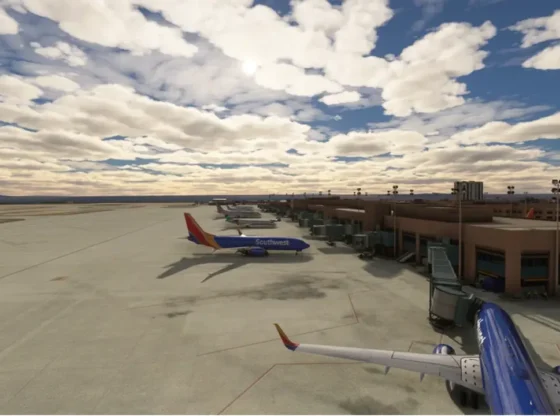
El Paso International Airport serves as the primary commercial aviation hub for the region, handling over 3 million passengers annually on routes connecting to major cities across the United States and Mexico. When checking the ‘El Paso Airport (ELP) status update,’ passengers interact with an airport whose operations are intimately connected to military and border security considerations.
The airport’s Class C airspace extends from the surface to 8,000 feet MSL (mean sea level) within a 5-nautical-mile radius, expanding to 10 nautical miles at higher altitudes. Air traffic control updates from the El Paso TRACON (Terminal Radar Approach Control) manage this busy airspace, coordinating arrivals, departures, and overflights while maintaining separation from restricted military zones.
Proximity to Fort Bliss and White Sands Missile Range
Fort Bliss, one of the U.S. Army’s largest installations, occupies over 1.12 million acres immediately adjacent to El Paso. Military exercise El Paso airspace restrictions frequently originate from training operations at Fort Bliss or the nearby McGregor Range Complex. These restricted areas, designated on aviation charts as R-5103, R-5107, and others, activate regularly for live-fire exercises, missile tests, and aviation training.

The impact of TFR on commercial airlines El Paso becomes significant during major military operations. White Sands Missile Range testing, located approximately 40 miles northeast of El Paso, conducts rocket launches, missile intercept tests, and other classified operations that can temporarily close vast swaths of airspace. The direct impact of the White Sands Missile Range testing on KELP operations ranges from minor route adjustments to complete ground stops, depending on the test’s altitude requirements and safety zones.
International Border Considerations
El Paso’s position on the U.S.-Mexico border adds another layer of complexity. Abraham González International Airport in Ciudad Juárez sits just 8 miles south of KELP. Border patrol air restrictions El Paso occasionally implement enhanced surveillance zones or temporary no-fly areas in response to security situations. The FAA coordinates with Mexican aviation authorities (SENEAM) to ensure safe separation of aircraft operating in both countries’ airspace, but border security enhancements can sometimes necessitate airspace adjustments that affect civilian operations.
Primary Reasons for Air Space Restrictions and Closures
Understanding why El Paso airspace closed requires examining the diverse factors that trigger restrictions. Unlike most U.S. cities, El Paso faces a unique combination of military, security, and environmental challenges that can ground flights with little warning.
Military Operations and Special Use Airspace
Military exercise El Paso airspace closures represent the most frequent cause of restrictions. Fort Bliss conducts regular training exercises involving artillery fire, helicopter operations, and unmanned aerial systems. When these operations require exclusive use of airspace, the military issues notices (NOTAMs) activating restricted areas.
How often does the El Paso air space close for military training? The answer varies, but restricted areas near El Paso activate an average of 15-20 days per month, though most activations don’t affect commercial operations at KELP. Major exercises lasting several days typically occur 3-4 times annually, and these more extensive operations can create significant routing challenges for airlines.
The El Paso air space NOTAM system alerts pilots to active restrictions. A typical NOTAM might read: ‘R-5103A ACTIVATED SFC-9500FT 15 JAN 0800-1700.’ This tells pilots that restricted area 5103A is active from the surface to 9,500 feet on January 15th between 8 AM and 5 PM local time. How long do TFRs last in these cases? Military TFRs typically range from 4-8 hours for daily training to continuous activation for 72+ hours during major exercises.
VIP Movements and Dignitary Protection
Presidential visit El Paso TFR scenarios create the most disruptive airspace closures. When the President, Vice President, or other protected officials visit the region, the Secret Service coordinates with the FAA to establish temporary flight restrictions that can shut down all civilian aviation within a 30-nautical-mile radius.
What is a VIP TFR? These restrictions typically include an inner core (usually 10 nautical miles) where all non-participating aircraft are prohibited, and an outer ring (up to 30 nautical miles) where aircraft must be on an active flight plan with a discrete transponder code and in contact with air traffic control. Violating these restrictions carries severe penalties—potential interception by military fighters, criminal charges, and civil penalties exceeding $30,000.
When searching for ‘TFR El Paso TX today’ in relation to a VIP visit, expect closures lasting 4-12 hours. The FAA announcement El Paso airspace officials issue typically provides 24-48 hours advance notice through NOTAM systems, though security concerns sometimes limit public information about timing and duration.
National Security Events and Border Security
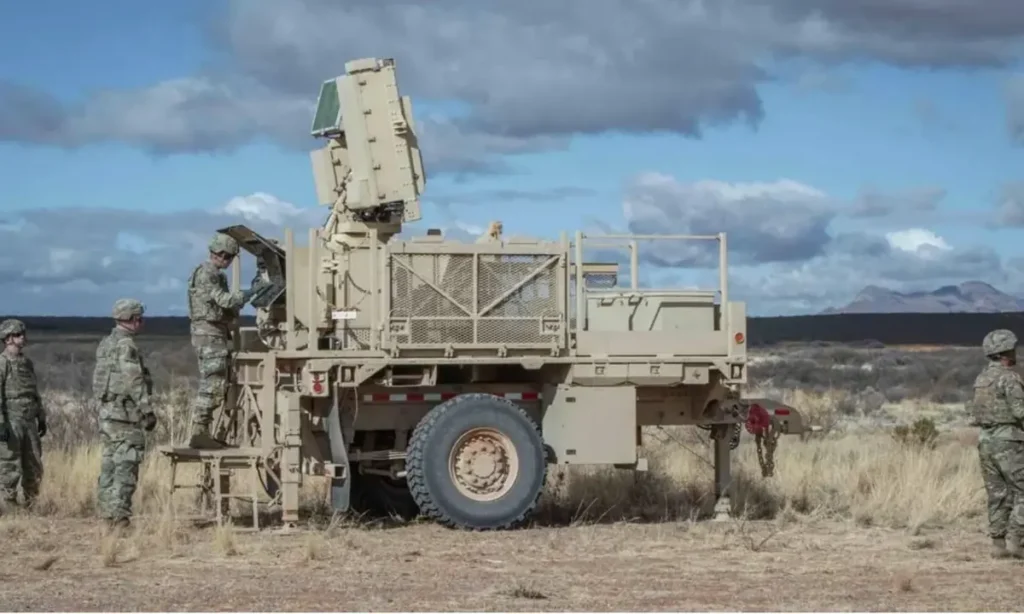
El Paso aerial security alert situations occasionally arise from border security operations or national security events. While specific details of these operations remain classified, they can result in temporary airspace restrictions coordinated between DHS, Border Patrol, and the FAA. These closures tend to be smaller in geographic scope but can last from several hours to multiple days.
Drone flying restrictions El Paso has intensified in recent years as unmanned aircraft systems proliferate. Drone mitigation procedures near the border and military installations create permanent no-fly zones for recreational drones, with violations subject to severe federal penalties. The airspace within 5 nautical miles of KELP is restricted to drones without specific FAA authorization.
Severe Weather and Environmental Factors
El Paso’s desert climate produces unique weather hazards that can force airspace closures. Dust storms, locally known as haboobs, reduce visibility to near-zero within minutes. During these events, El Paso air traffic control updates shift all operations to instrument flight rules, and severe storms can force a complete ground stop.
Severe thunderstorm protocols activate during the monsoon season (typically July-September) when intense convective activity develops rapidly over the region. Icing conditions in winter and high winds year-round also contribute to operational restrictions. While weather-related closures affect other airports similarly, El Paso’s position between mountain ranges and the Chihuahuan Desert creates particularly challenging microclimate conditions.
Types of Air Space Closures and What They Mean
Not all closures are equal. Understanding the specific type of restriction helps travelers and pilots know what to expect and how to plan accordingly.
Temporary Flight Restrictions (TFRs)
An El Paso temporary flight restriction represents the most common form of airspace closure. The official FAA advisory El Paso authorities issue defines the geographic area (usually as a radius from a point), altitude limits, effective times, and any exceptions for specific operations.
To check El Paso flight status during a TFR, pilots access the El Paso TFR map through the FAA’s TFR website or aviation apps like ForeFlight. The NOTAM structure follows a standardized format: FDC 4/1234 ZAB AIRSPACE EL PASO, TX…TEMPORARY FLIGHT RESTRICTIONS… This provides the essential information pilots need to plan around restrictions.
The difference between restricted airspace and a Temporary Flight Restriction (TFR) in the El Paso area is significant. Restricted areas (R-areas) are permanent charted zones that activate on published schedules, while TFRs are temporary, can be issued with little notice, and may appear anywhere within the region based on operational needs.
Ground Stops and Gate Holds
When conditions require halting all aircraft movement, air traffic control implements ground stops. During these events, checking ‘is the El Paso airport open’ might show the airport technically operational, but no aircraft can depart or arrive. Ground stops typically last 30 minutes to 2 hours and occur during severe weather, security events, or when airspace saturation reaches unsafe levels.
Gate holds represent a less severe restriction where departing aircraft must remain at the gate but arriving flights continue normally. Airlines use this time to replan routes, refuel if necessary, and keep passengers informed about expected delays.
Impact Assessment: Who Gets Affected and How
When El Paso airspace closes, the effects cascade through the entire aviation ecosystem, from international carriers to student pilots practicing touch-and-goes.
Commercial Aviation and Passengers
El Paso international airport flight delays during airspace closures affect thousands of passengers. Major carriers including Southwest, American, and United operate multiple daily departures that can face cancellations or diversions when restrictions activate suddenly.
If my commercial flight is diverted due to an air space closure, what are my rights as a passenger? Under DOT regulations, airlines must provide meal vouchers for delays exceeding 3 hours and hotel accommodations if overnight delays occur. Compensation for El Paso flight delays beyond airline control (like TFRs) doesn’t include cash compensation, but airlines typically rebook passengers on the next available flight at no additional cost.
The economic costs to carriers are substantial. A single ground stop costs airlines approximately $2,000-$5,000 per aircraft in fuel burn, crew scheduling adjustments, and passenger accommodations. During a major TFR affecting multiple airlines over several hours, industry-wide costs can exceed $500,000.
General Aviation and Private Pilots
El Paso private pilot restriction advice emphasizes the critical importance of preflight planning. General aviation pilots must check NOTAMs and TFRs before every flight, as violations carry severe consequences. The best route to avoid El Paso TFR situations involves contacting Flight Service for briefings and maintaining flexibility to divert if restrictions activate mid-flight.
Flight schools in the El Paso area face unique challenges. Training operations must coordinate with military schedules, avoid restricted areas, and prepare students for the complex airspace environment. This preparation proves valuable—pilots trained in El Paso develop skills managing complex airspace that serve them well throughout their careers.
Air Cargo and Logistics
FedEx and UPS operate significant cargo operations through KELP, and delays disrupt supply chains extending far beyond El Paso. Time-sensitive medical supplies, perishable goods, and e-commerce packages all face delays when airspace closes. The ripple effects extend to ground transportation as cargo companies shift loads to trucks, increasing costs and transit times.
Historical Case Studies: Learning from Past Closures
Examining past events provides context for understanding how closures unfold and their consequences.
Major Military Exercise Impact (March 2019)
In March 2019, Fort Bliss conducted a large-scale training exercise coinciding with White Sands Missile Range testing. The simultaneous activation of multiple restricted areas forced commercial aircraft to route significantly east or west of their normal paths, adding 15-30 minutes to flight times. While local news coverage El Paso air closure reported minimal disruption, airlines absorbed approximately $150,000 in additional fuel costs over the three-day exercise.
Presidential Visit TFR (August 2019)
When President Trump visited El Paso in August 2019, the Secret Service established a 30-nautical-mile TFR that effectively shut down KELP for 8 hours. The El Paso airspace security breach rumors that circulated online proved unfounded, but the closure forced cancellation of 47 commercial flights, affecting over 6,000 passengers. Airlines rerouted some flights to Albuquerque and Phoenix, while most passengers experienced delays of 6-12 hours.
This event highlighted the challenges of VIP TFRs in border regions. Mexican airspace just south of the border became congested with aircraft re-routing around the restriction, requiring close coordination between U.S. and Mexican controllers.
Severe Dust Storm (April 2021)
An intense haboob in April 2021 reduced visibility to zero at KELP, forcing a 90-minute ground stop. When will El Paso airspace reopen became the most-searched question as travelers faced mounting delays. This event demonstrated how weather, while temporary, can be just as disruptive as planned TFRs. Eight flights diverted to Albuquerque, and passengers faced delays averaging 4 hours.
Compliance and Regulatory Framework
The complex web of regulations governing El Paso airspace involves multiple federal agencies working in coordination.
FAA Authority and Oversight
The Federal Aviation Administration maintains ultimate authority over all U.S. airspace. FAA announcement El Paso airspace officials issue through the Albuquerque Air Route Traffic Control Center (ZAB) coordinates with local TRACON controllers to implement restrictions while minimizing impact on civilian operations.
Pilot responsibilities during restrictions are clear: know before you go. Preflight planning must include checking NOTAMs, TFRs, and special use airspace activation schedules. Pilots who violate TFRs face immediate consequences—potential interception, certificate suspension or revocation, and civil penalties up to $32,666 per violation.
Interagency Coordination
Effective airspace management requires coordination between the FAA, Department of Defense, Department of Homeland Security, Secret Service, and Mexican aviation authorities. Monthly coordination meetings address scheduling conflicts, plan for known events, and establish procedures for rapid response to unplanned situations.
This coordination explains why future El Paso air restrictions schedule information is sometimes available weeks in advance (for planned military exercises) while other times restrictions appear with minimal notice (for security events or urgent military needs).
Future Outlook: Technology and Communication Improvements
Aviation technology advances promise to improve airspace management and reduce disruption from closures.
Technological Advancements
Remote tower technology could eventually allow air traffic control to continue operating during some closure scenarios by controlling KELP traffic from alternate locations. Drone detection systems help identify unauthorized aircraft in restricted zones more quickly, potentially reducing the size and duration of security-related TFRs.
ADS-B (Automatic Dependent Surveillance-Broadcast) now required on most aircraft provides controllers with more precise position information, enabling tighter separation and potentially allowing some civilian operations to continue in areas adjacent to active restricted zones.
Improved Public Communication
How to check El Paso flight status has become easier with improved airline apps and airport websites providing real-time updates. However, gap remain in public communication about TFRs. The FAA continues developing systems to push TFR alerts to pilots’ devices automatically and improve web-based resources for the public.
Aviation news El Paso coverage through local media has improved, with stations establishing direct communications with KELP airport management and the FAA to provide timely updates during closure events. Social media channels provide real-time information, though travelers should verify through official sources before changing plans.
Strategies for Travelers and Pilots
For travelers seeking the cheapest flights out of El Paso after closure, flexibility is key. Consider these strategies:
• Book refundable tickets or tickets with free change policies when traveling during periods of likely restrictions (during major military exercises, political events, or monsoon season)
• Monitor the FAA TFR website and KELP airport status starting 48 hours before travel
• Join airline loyalty programs for priority rebooking during mass cancellations
• Consider alternative airports (Albuquerque is 4 hours north; Phoenix is 6.5 hours west) if flexibility allows
• Purchase travel insurance covering delays and cancellations
For pilots, best practices include:
• Check NOTAMs within 2 hours of departure for any new TFRs
• File flight plans even for VFR flights in the El Paso area to facilitate communication with ATC
• Maintain radio contact with controllers and Flight Service while operating near El Paso
• Plan alternate routes that avoid restricted areas, adding 10-20% to fuel reserves
• Subscribe to TFR alert services that push notifications to mobile devices
Conclusion: The Vital Importance of Air Space Management
Understanding El Paso air space closures requires recognizing the unique confluence of factors affecting this border region. The proximity to major military installations, international boundaries, and challenging weather creates an environment where airspace restrictions, while disruptive, serve essential purposes: ensuring military readiness, protecting dignitaries, maintaining border security, and guaranteeing aviation safety.
When you search ‘why is El Paso airspace closed,’ the answer typically involves balancing these competing needs. Commercial aviation, while economically significant, represents just one user of shared airspace. The military must conduct realistic training, VIPs require protection, and weather sometimes makes flight impossible.
For travelers, the key takeaway is preparation. Understanding what airspace closures mean, monitoring official FAA advisories, and maintaining flexibility minimize disruption. For pilots, rigorous preflight planning and constant awareness of NOTAM and TFR updates aren’t just best practices—they’re legal requirements that prevent violations with serious consequences.
Looking forward, improved technology and communication systems promise to reduce the impact of necessary closures. Better coordination between agencies, more precise airspace management tools, and enhanced public information systems will help El Paso’s aviation community adapt to ongoing challenges.
The El Paso air space will continue facing periodic restrictions—this reality stems from geography and mission requirements that won’t change. But with proper understanding, planning, and coordination, the aviation community successfully navigates these challenges while maintaining safety and security for all airspace users.
Frequently Asked Questions
What specific air space zones cover El Paso and why are they subject to restriction?
El Paso airspace includes Class C controlled airspace around KELP extending from the surface to 8,000 feet MSL, overlying Class E airspace, and multiple restricted areas (R-5103, R-5107, R-5111) associated with Fort Bliss and McGregor Range. These zones are subject to restriction due to military training operations, VIP movements, border security operations, and proximity to White Sands Missile Range testing areas. The international border with Mexico adds additional coordination requirements.
How does a pilot know when a TFR is active over El Paso?
Pilots check for active TFRs through multiple sources: the FAA TFR website (tfr.faa.gov), 1-800-WX-BRIEF Flight Service briefings, aviation apps like ForeFlight or Garmin Pilot, and NOTAM systems. Responsible pilots check TFR status within 2 hours of departure and monitor 121.5 MHz (emergency frequency) while airborne for any urgent TFR activations. Air traffic controllers also provide warnings about nearby TFRs during flight following services.
How often does the El Paso air space close for military training, and how long do these closures typically last?
Restricted areas near El Paso activate 15-20 days per month on average, though most don’t significantly impact commercial operations. Major exercises affecting civilian aviation occur 3-4 times annually, lasting 1-5 days. Individual training missions typically last 4-8 hours during weekday daylight hours. White Sands Missile Range testing that impacts El Paso airspace occurs less frequently, usually 1-2 times monthly for periods of 30 minutes to 3 hours.
If my commercial flight is diverted due to an air space closure, what are my rights as a passenger?
For diversions due to airspace closures beyond airline control, regulations require airlines to provide meal vouchers for delays exceeding 3 hours and hotel accommodations for overnight delays. Airlines must rebook you on the next available flight at no charge, though they’re not required to provide cash compensation for weather or security-related closures (unlike delays caused by airline operational issues). Keep receipts for reasonable expenses, as some airlines provide reimbursement for goodwill even when not legally required.
Are drones affected by the same airspace closures and restrictions as manned aircraft?
Yes, recreational and commercial drones must comply with TFRs and restricted airspace. Additionally, drones face permanent restrictions within 5 nautical miles of KELP and near military installations that don’t affect manned aircraft with proper clearances. The penalties for drone violations can be more severe as operators may not have aviation experience or understand the safety risks. Always check the FAA’s B4UFLY app before operating drones in the El Paso area.
What is the direct impact of the White Sands Missile Range testing on KELP operations?
White Sands testing impacts vary by test type. Small rocket launches may only require minor route adjustments for aircraft, adding 2-5 minutes to flight times. Large ballistic missile intercept tests can close airspace from the surface to 500,000 feet over thousands of square miles, forcing ground stops at KELP lasting 30 minutes to 2 hours. The FAA typically receives 24-48 hours notice for planned tests, though occasional urgent national security tests occur with minimal warning. Coordination between White Sands, the FAA, and commercial airlines has improved significantly, reducing operational impact compared to a decade ago.